Metalworking Tool Selection Guide

Metalworking Tool Selection Guide: Match the Tool to the Fabrication Task

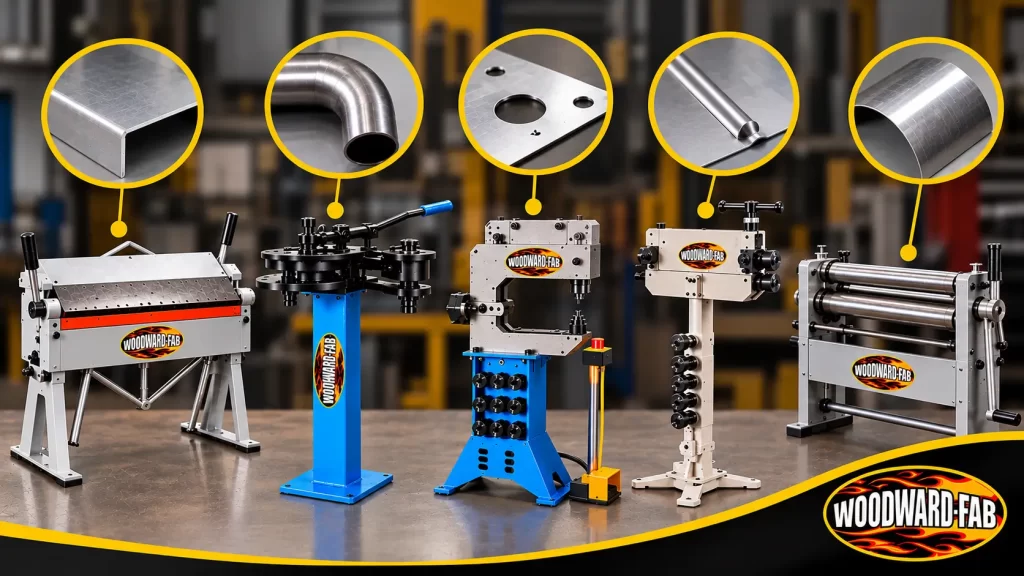
Choosing the right tool is an important part of successful metal fabrication. The correct equipment can make cutting, bending, forming, shaping, and finishing metal more accurate and efficient. Using the wrong tool, on the other hand, can lead to poor results, damaged material, excessive effort, or unsafe working conditions. With so many metalworking tools available, it can be difficult to determine which one is appropriate for a particular fabrication task. A tool designed for bending sheet metal may not be suitable for shaping thick plate, while a cutting tool intended for one material may not perform well on another. This guide explains how to approach metalworking tool selection based on… Read More

Continue Reading
Sheet Metal Gauge Chart

How to Read a Sheet Metal Gauge Chart: Gauge, Thickness & Material Explained

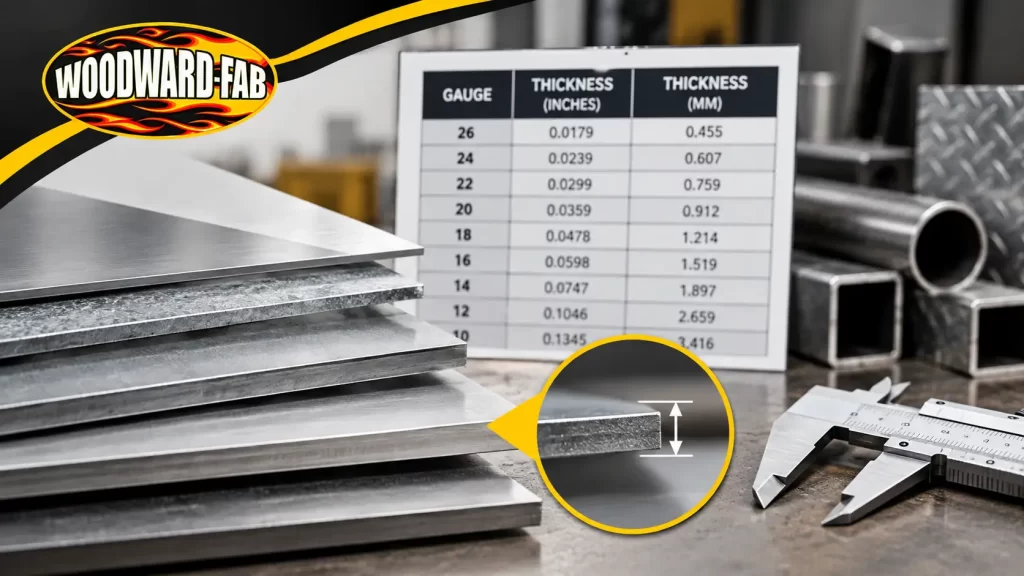
Understanding sheet metal thickness is essential when selecting material for fabrication, repair, bending, cutting, or forming. A sheet metal gauge chart provides a convenient way to understand the relationship between a metal’s gauge number and its actual thickness. However, gauge numbers can be confusing because a lower gauge number generally means thicker metal, while a higher gauge number means thinner metal. For example, 18-gauge steel is thicker than 20-gauge steel. The actual thickness represented by each gauge can also vary depending on the type of metal. Understanding these differences helps fabricators choose the appropriate material and avoid errors during fabrication. In this guide, we’ll explain how to read a sheet… Read More

Continue Reading
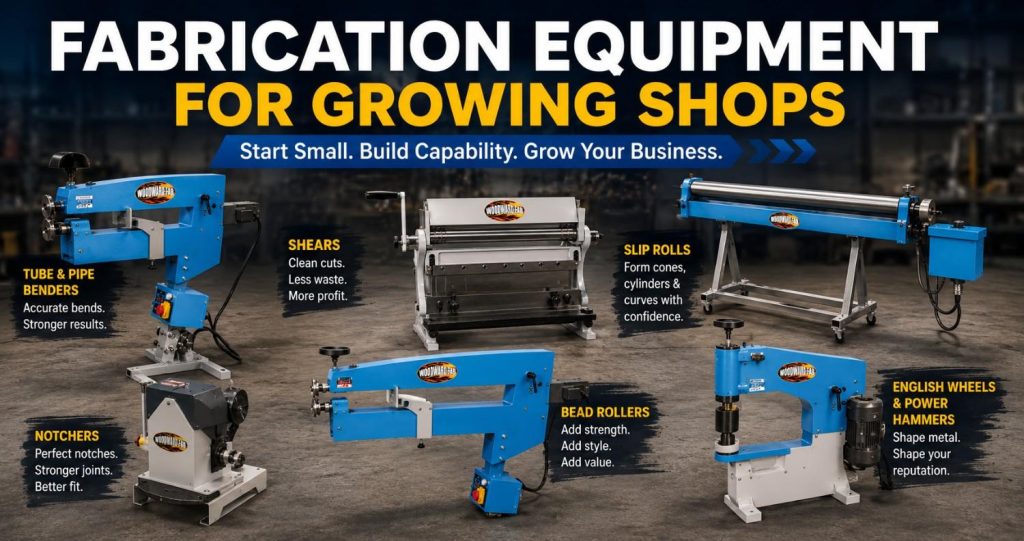
Fabrication Equipment for Growing Shops

Ready-to-Ship Fabrication Equipment for Growing Shops: Scale Faster with In-Stock Machinery

Fabrication shops expanding their production capabilities often require immediate access to dependable machinery to maintain workflow efficiency and meet increasing project demands. Delays in equipment availability can affect production schedules, customer commitments, and overall operational performance. Ready-to-ship fabrication equipment allows shops to add production capacity quickly while minimizing downtime associated with long procurement lead times. From sheet metal forming and tube bending to rolling, shaping, and welding support applications, in-stock metal fabrication tools help businesses improve productivity, streamline workflows, and respond faster to new fabrication opportunities. Fast shipping fabrication machinery also enables growing shops to scale operations without disrupting ongoing production activities. This post discusses the significance of ready-to-ship fabrication… Read More

Continue Reading
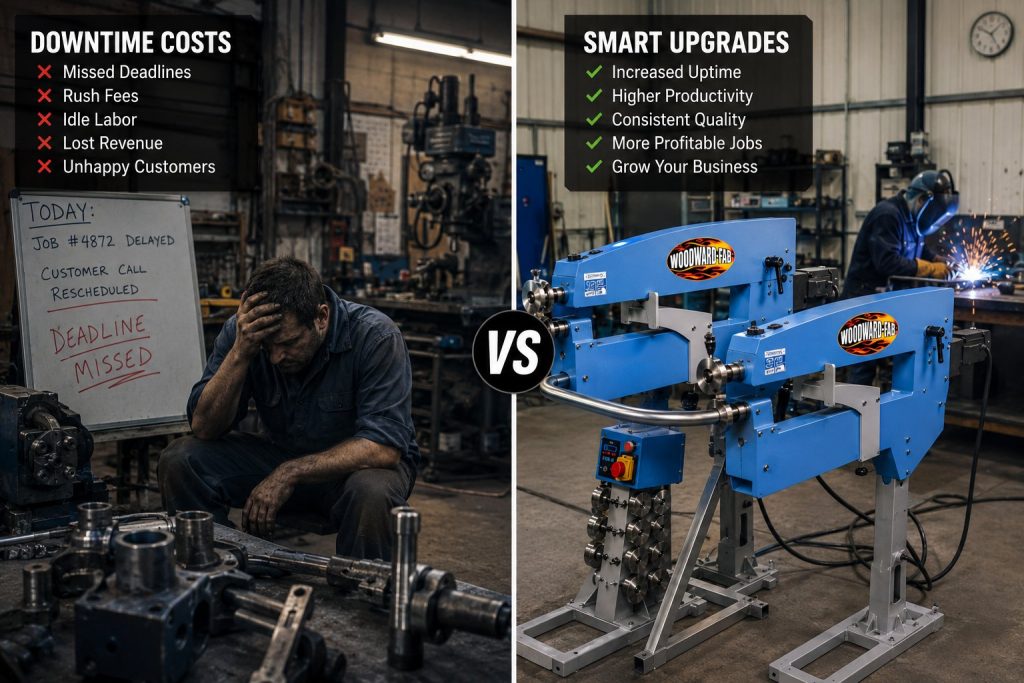
Why Downtime Costs Fabricators More Than Equipment Upgrades

Why Downtime Costs Fabricators More Than Equipment Upgrades

Fabrication shops depend on production consistency, delivery timelines, and machine reliability for steady business growth. A single machine failure can interrupt operations, delay shipments, increase labor costs, and reduce output. Many shop owners postpone equipment investments because replacement costs appear higher initially. However, fabrication downtime costs often exceed upgrade expenses over time. Lost production hours, missed deadlines, overtime labor, emergency repairs, and reduced customer confidence can quickly impact revenue and operational stability . Modern fabrication equipment helps shops improve efficiency, maintain reliable production schedules, and reduce costly disruptions.  This post explores the hidden costs of fabrication downtime, the risks of delaying equipment upgrades, and how modern fabrication equipment can improve… Read More

Continue Reading
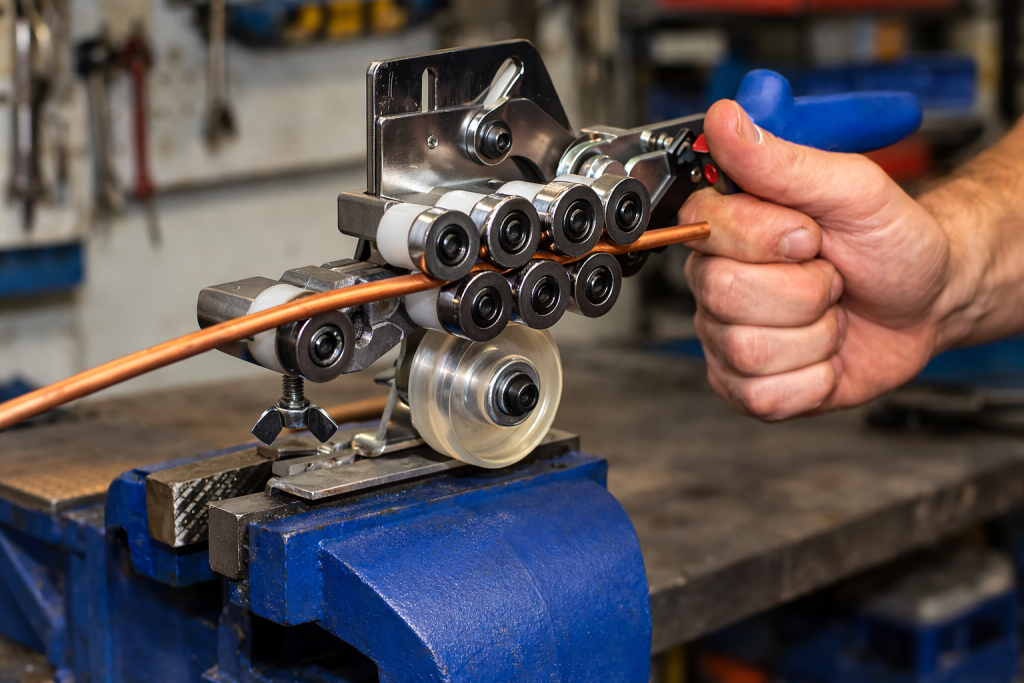
Workshop Professionals Working with Copper Tubes

Essential Workshop Tools for Professionals Working with Copper Tubes

Metal tubing plays a critical role in many industrial and mechanical systems, and copper tubing remains one of the most widely used materials due to its durability, corrosion resistance, and excellent thermal conductivity. It is commonly used in plumbing networks, HVAC installations, refrigeration systems, and automotive applications where reliable fluid transfer and efficient heat exchange are essential. Working with copper tubing requires precision at every stage of fabrication. Processes such as straightening, cutting, bending, flaring, and joining must be performed accurately to ensure proper fit, leak-free connections, and long-term reliability. This is why professionals rely on specialized workshop tools designed specifically for copper tube fabrication. This guide outlines the essential… Read More

Continue Reading
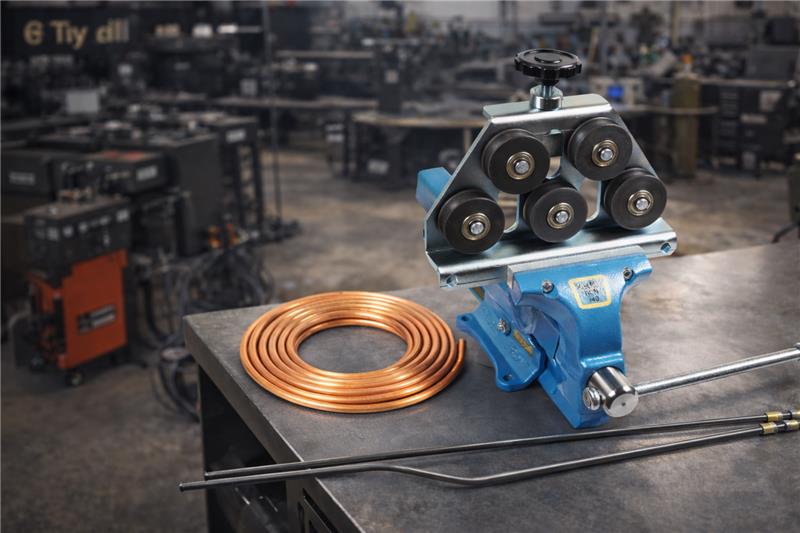
Tube Alignment in Fabrication

How to Achieve Perfectly Aligned Tubes for Fabrication Projects

Precision is the foundation of successful tube fabrication. Whether you’re building roll cages, exhaust systems, structural frames, hydraulic lines, or custom tubing assemblies, even small alignment errors can cause major issues. Misaligned or curved tubes create fitment problems, weak welds, and inaccurate assemblies. That’s why many professional fabricators use a tube straightener or brake line straightener as a standard step in their workflow. In this guide, we’ll explain why tube alignment matters, how tube straighteners work, and the best practices to achieve perfectly straight tubes before fabrication. Why Tube Alignment Matters in Fabrication Before diving into the how-to, it’s worth understanding the stakes: Given these consequences, consistent alignment is not… Read More

Continue Reading
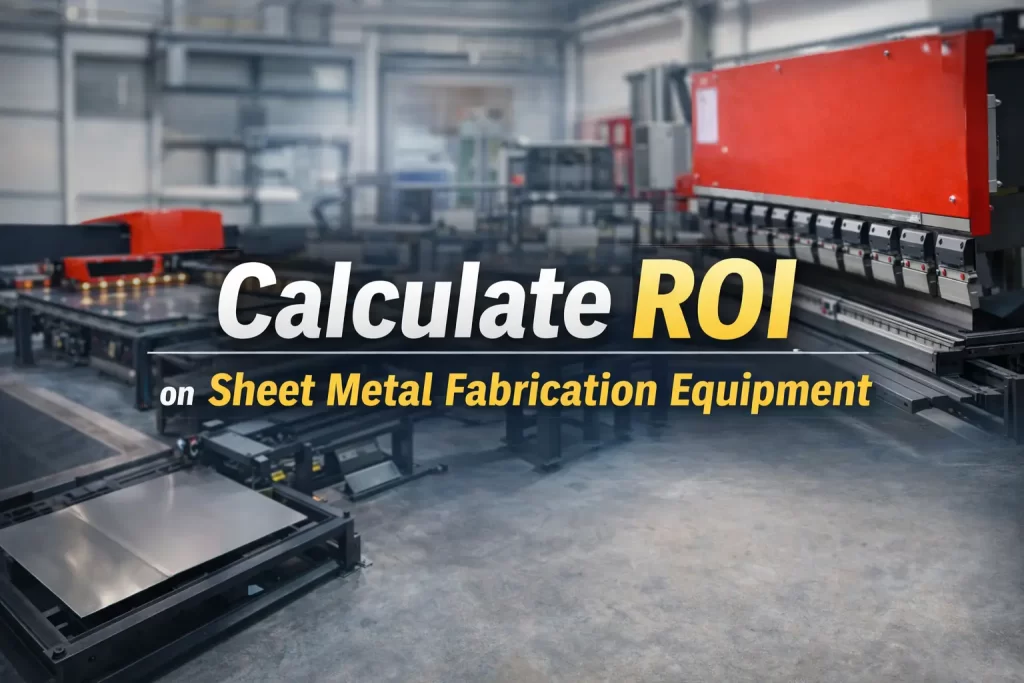
Calculate ROI on sheet metal fabrication equipment

Calculating ROI on Sheet Metal Fabrication Equipment

Investing in sheet metal fabrication equipment such as press brakes, bead rollers, shears, and slip rolls is a major decision for fabrication shops. Understanding the return on investment (ROI) helps manufacturers determine whether a machine upgrade will improve productivity, reduce scrap, and increase profits. The real question business owners and plant managers ask is: “Will this new fabrication machine actually increase my profits?” This is where Return on Investment (ROI) becomes essential. ROI helps fabrication shops, OEM suppliers, and industrial manufacturers understand whether upgrading equipment is a smart financial move or an unnecessary expense. What ROI Means in Sheet Metal Fabrication? ROI in fabrication is not just about selling more… Read More

Continue Reading
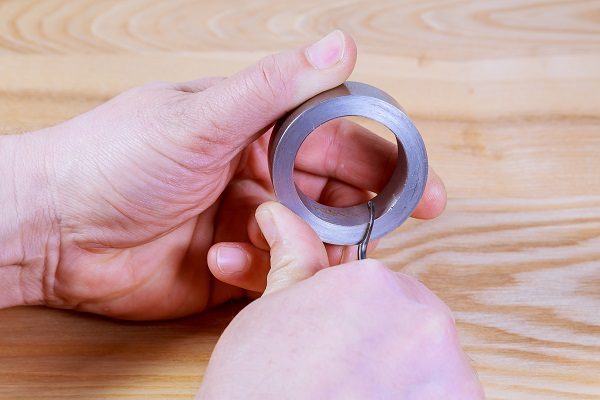
Deburring Tool for metal pipe

How to Choose the Right Deburring Tool for Your Application

Deburring is a critical process in the realm of manufacturing and precision engineering, addressing the often-overlooked imperfections that can arise during machining and fabrication. This introductory section aims to lay the groundwork for a comprehensive understanding of deburring, delving into its definition, underscoring its significance in precision work, and outlining the overarching purpose of this blog. Definition of Deburring: Deburring refers to the meticulous process of removing burrs, sharp edges, and imperfections from machined or fabricated workpieces. Burrs are unwanted protrusions or rough edges that can compromise the functionality, safety, and aesthetics of a finished product. Importance of Deburring in Precision Work: In precision work, where exact measurements and flawless… Read More

Continue Reading

Sheet Metal Bend Radius: The Key to Durability

1. What is Sheet Metal Bend Radius? Let’s start with the basics. The sheet metal bend radius refers to the minimum radius a sheet of metal can be bent without causing damage or deformation. In essence, it’s the inner radius of the bend that determines how tight a curve can be formed in the sheet metal. 2. Sheet Metal Bend Radius Chart A sheet metal bend radius chart is a valuable tool that provides engineers and fabricators with essential information. It typically lists various materials and their corresponding recommended bend radii. Think of it as a cheat sheet for ensuring your metal sheets stay intact during the bending process. 3.… Read More

Continue Reading
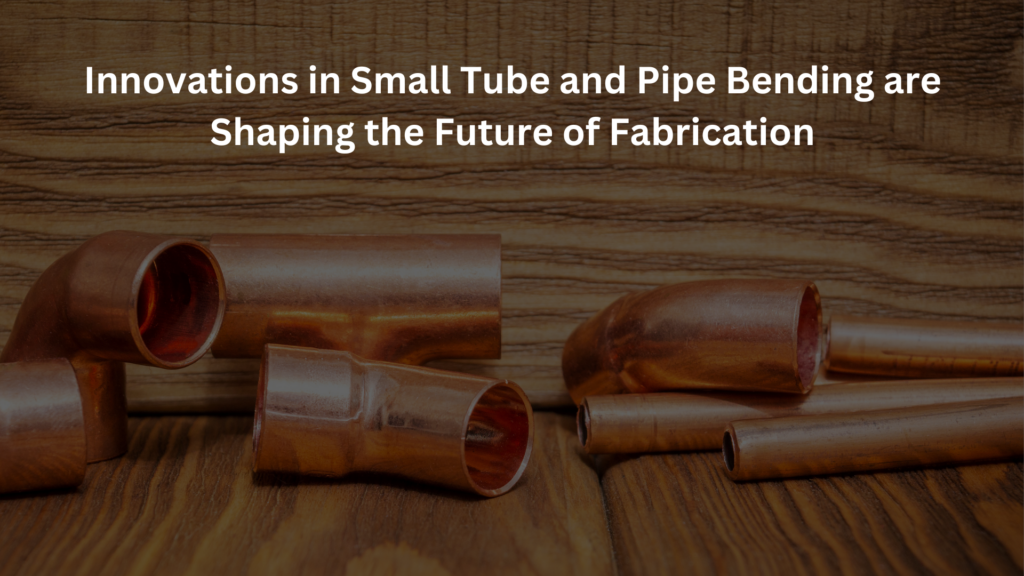
Innovations in small tube and pipe bending are shaping the future of fabrication

Innovations in Small Tube and Pipe Bending are Shaping the Future of Fabrication

In the dynamic world of fabrication, innovation is the driving force that propels industries forward. Small innovations in tube and pipe bending, often overlooked but incredibly impactful, have been quietly revolutionizing the way we shape metal and other materials. These ingenious tools have opened up new possibilities, making intricate bending tasks more manageable and efficient. In this article, we will explore these small bending tools, highlighting their benefits, advancements, and the promising future they offer. Evolution of Small Bending Tools for Pipes and Tubes: Gone are the days when bending a pipe or a tube was a physically demanding and time-consuming task. The evolution of small bending tools has transformed… Read More

Continue Reading
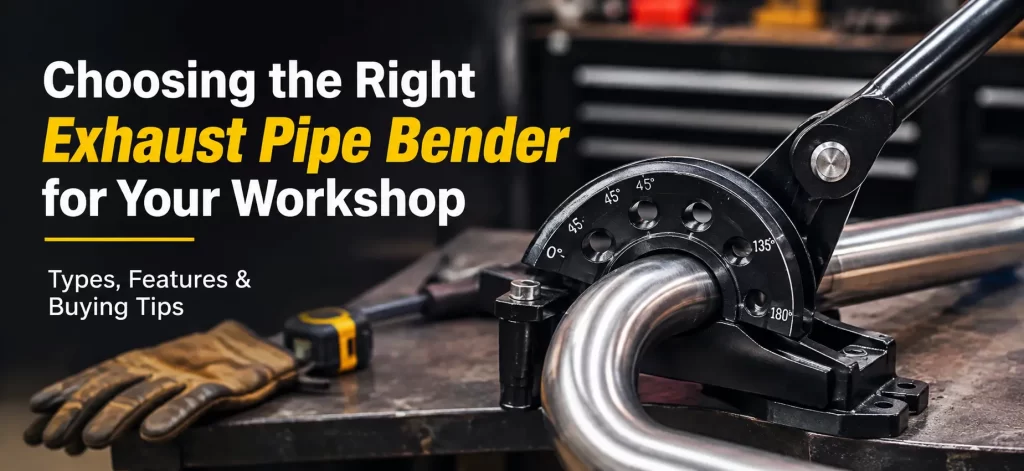
Right Exhaust Pipe Bender for Your Workshop

Choosing the Right Exhaust Pipe Bender for Your Workshop

Are you in need of an exhaust pipe bender? Whether you’re a professional mechanic or an automotive enthusiast, having the right tool for bending exhaust pipes is essential. An exhaust pipe bender allows you to shape and customize pipes according to your specific requirements. However, with numerous options available in the market, choosing the right one can be a daunting task. This article aims to simplify the process by providing an in-depth guide to exhaust pipe benders. Table of Contents: Types of Exhaust Pipe Benders Key Features to Consider Tube Size and Material Compatibility Bending Capacity and Precision Power Source Options Hydraulic vs. Manual Benders Portability and Storage Durability and… Read More

Continue Reading

 How to Optimize Your Metal Fabrication Workflow

Metal fabrication is an intricate process, a symphony of machinery, manpower, and metal that when performed correctly, results in a finished product of unparalleled quality. However, creating this harmony requires more than just excellent skills and premium equipment, such as those provided by Woodward Fab. It also requires optimal workflow, the lifeblood of any metal fabrication project. This blog post aims to discuss how you can streamline your metal fabrication workflow for maximum efficiency. Understanding the Metal Fabrication Workflow What is the Metal Fabrication Workflow? Workflow, in the broadest sense, is the orchestrated and repeatable pattern of business activity enabled by the systematic organization of resources. In the context of… Read More

Continue Reading