Metalworking Tool Selection Guide

Metalworking Tool Selection Guide: Match the Tool to the Fabrication Task

Choosing the right tool is an important part of successful metal fabrication. The correct equipment can make cutting, bending, forming, shaping, and finishing metal more accurate and efficient. Using the wrong tool, on the other hand, can lead to poor results, damaged material, excessive effort, or unsafe working conditions. With so many metalworking tools available, it can be difficult to determine which one is appropriate for a particular fabrication task. A tool designed for bending sheet metal may not be suitable for shaping thick plate, while a cutting tool intended for one material may not perform well on another. This guide explains how to approach metalworking tool selection based on… Read More

Continue Reading
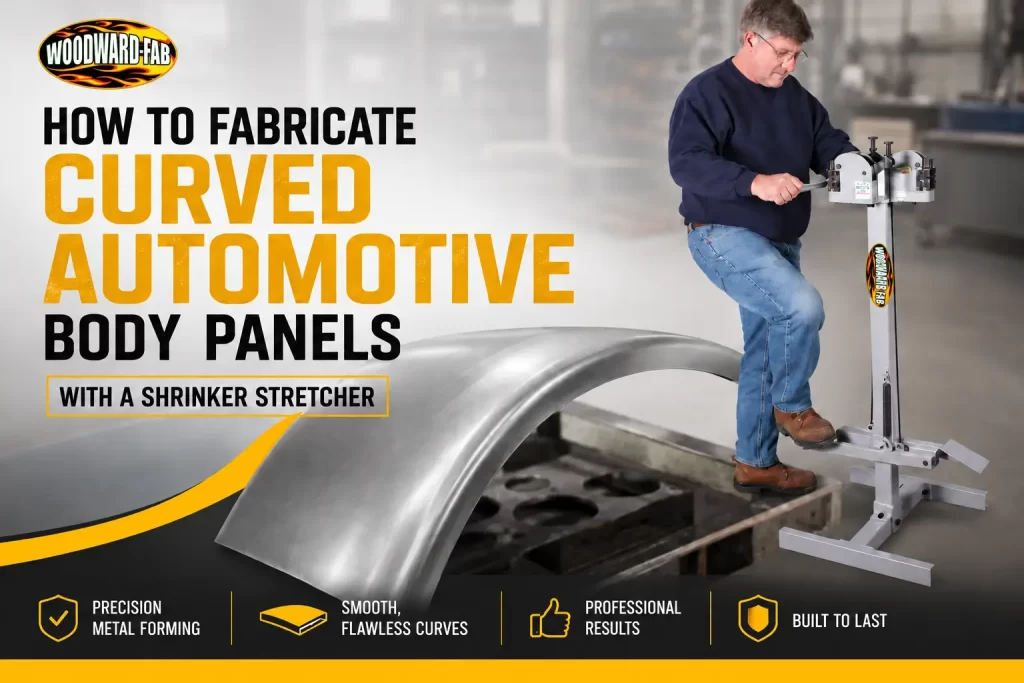
Automotive Body Panels With a Shrinker Stretcher

How to Fabricate Curved Automotive Body Panels With a Shrinker Stretcher

Creating a curved automotive body panel from a flat sheet of metal can seem difficult, especially when the panel needs to follow a wheel opening, windshield frame, fender contour, or other compound shape. A sheet metal shrinker stretcher makes this process more manageable by allowing a fabricator to control the shape of the metal through localized shrinking and stretching. The basic approach is simple: shrink the metal where you need an inside curve and stretch it where you need an outside curve. By gradually working different sections of the panel, you can turn a flat or partially bent piece of sheet metal into a controlled curved form without relying entirely… Read More

Continue Reading
Sheet Metal Cutting Tolerances

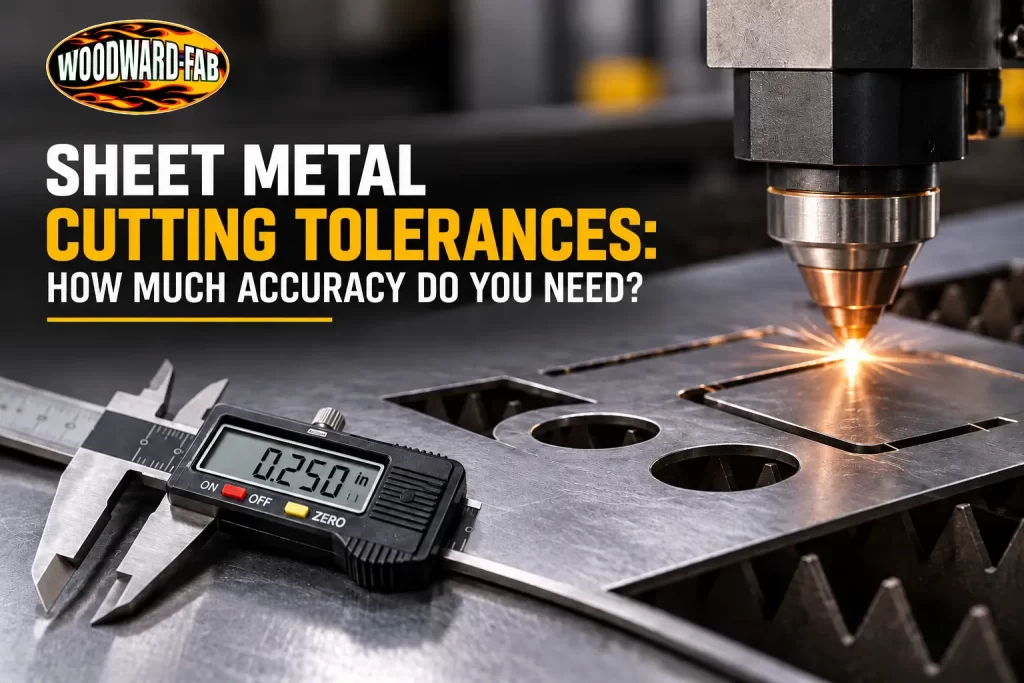
Sheet Metal Cutting Tolerances: How Much Accuracy Do You Need?

Sheet metal cutting tolerance is the acceptable variation between the specified dimension and the actual dimension of a cut part. The right tolerance depends on the material, thickness, cutting method, part geometry, equipment, and how the finished component will be used. Not every fabrication job requires extremely tight tolerances; the goal is to achieve the accuracy needed for the next operation without adding unnecessary cost or rework. Key Takeaways What Is Sheet Metal Cutting Tolerance? Sheet metal cutting tolerance is the amount of dimensional variation allowed between the intended size of a part and the size actually produced after cutting. For example, if a drawing specifies a 100 mm-wide component… Read More

Continue Reading
How to Repair Rusted Car Panels

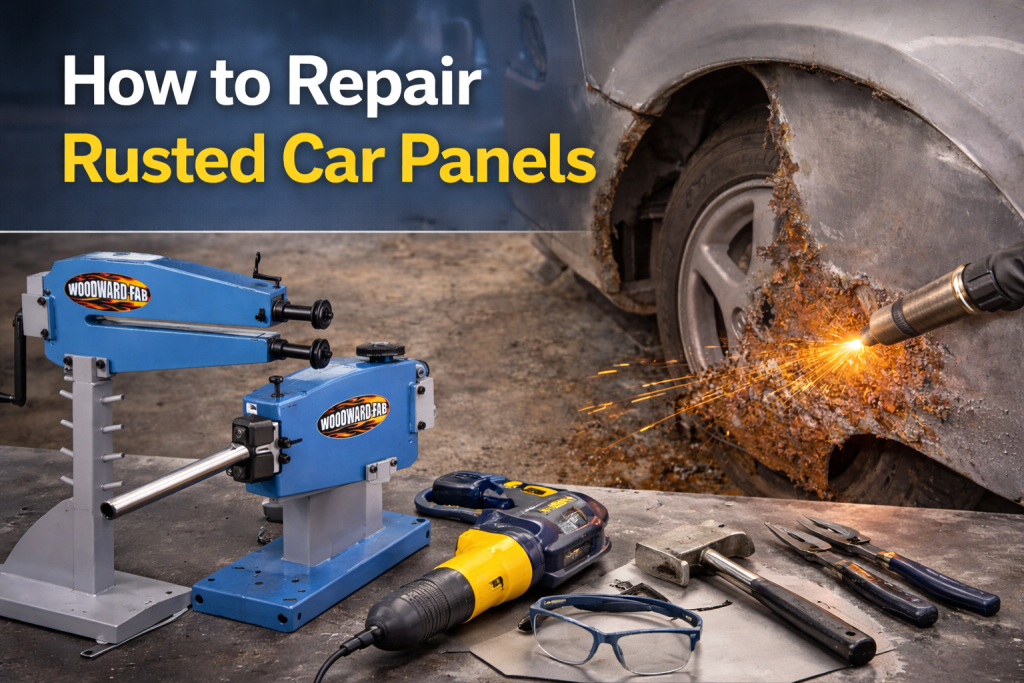
How to Repair Rusted Car Panels

Rust is something every fabricator dreads as   it can turn a clean car panel into a weak, unsightly mess. Especially in climates where road salt and moisture constantly attack exposed metal, you may suddenly notice bubbles or holes that were not there before. Rust can spread quickly once it starts, but the good news is that rusted car panels are fixable, and you don’t need to scrap the whole body. With the right approach and quality tools, you can cut out the rusted metal, weld in a clean patch, and bring a panel back to factory-smooth condition. For automotive fabricators, repair shops, and part manufacturers, knowing how to tackle rust… Read More

Continue Reading
Best Tools for Cutting Metal Roofing

Best Tools for Cutting Metal Roofing

Cutting metal roofing requires precision, the right tools, and proper technique to ensure clean edges and long-lasting installation. Whether you’re a professional contractor or a DIY enthusiast, selecting the right cutting tools can significantly impact your efficiency and final results. In this guide, we’ll cover the best tools for cutting metal roofing, their use cases, and how to choose the right one for your project. What is the Best Tool for Cutting Metal Roofing? The best tool depends on your requirement: For professional use, power shears and nibblers are most recommended. Top Tools for Cutting Metal Roofing Here’s a breakdown of the most effective tools, including professional-grade options. Woodward Fab… Read More

Continue Reading
Techniques in Sheet Metal Fabrication

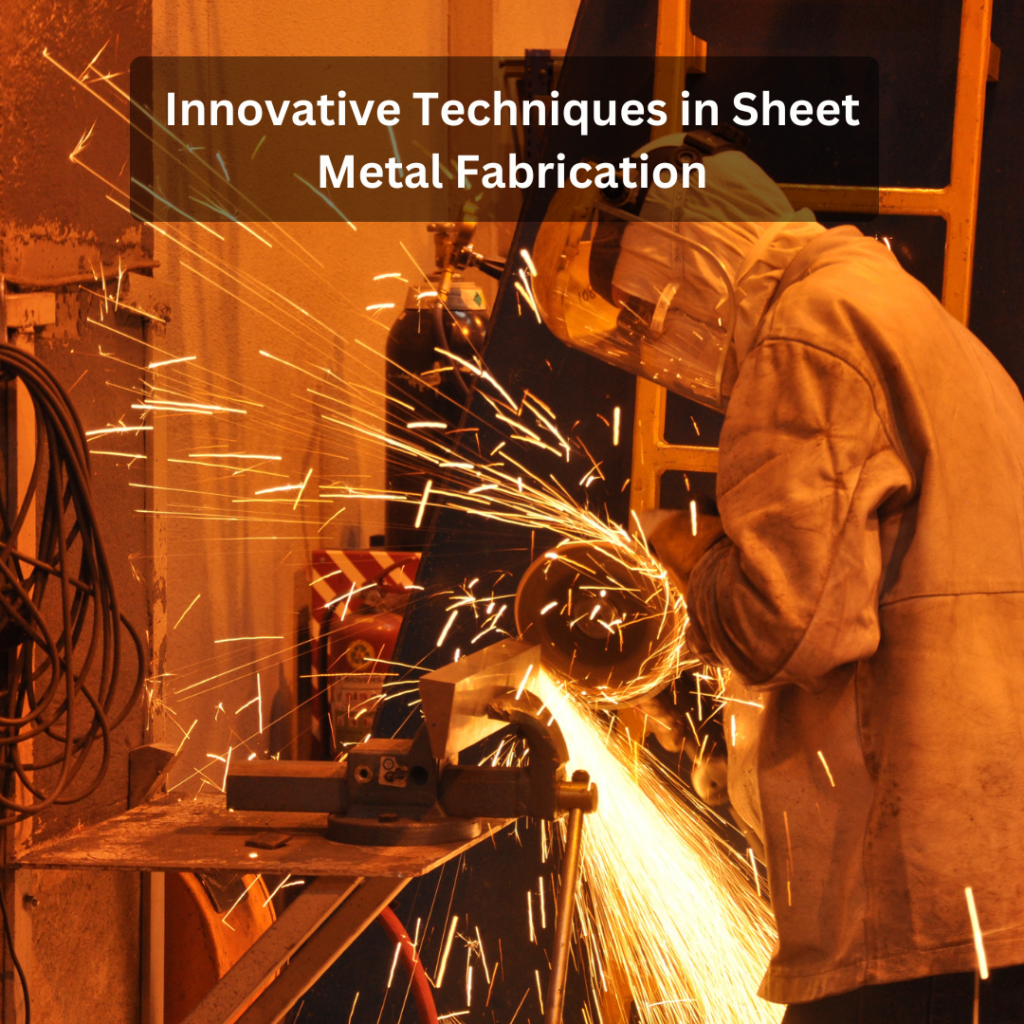
Innovative Techniques in Sheet Metal Fabrication

Sheet metal fabrication is the art and science of shaping and manipulating thin sheets of metal into various forms and structures. From crafting intricate components for machinery to creating custom designs for DIY projects, sheet metal fabrication encompasses a wide range of techniques and applications. Whether you’re interested in building furniture, upgrading your home with metal accents, or diving into advanced industrial manufacturing, understanding the basics of innovated metal fabrication opens up a world of creative possibilities. Mastering these skills not only allows you to bring your ideas to life with precision and durability but also empowers you to explore new dimensions of craftsmanship in metalworking. Here are some Sheet… Read More

Continue Reading
Right Supplier Partnership Can Revolutionize Your Manufacturing Process

How the Right Supplier Partnership Can Revolutionize Your Manufacturing Process

In today’s competitive world, getting products to market faster is crucial. But for manufacturers, long lead times can strangle profitability and innovation. That’s where the power of supplier partnerships comes in. By teaming up with the perfect partners, you can unlock a world of efficiency and transform your manufacturing process. Partnerships That Go Beyond Transactions Forget transactional relationships. The key to success lies in cultivating a collaborative environment. Here are 5 factors to consider when choosing your ideal partner: Expertise: Look for a partner with a proven track record in your industry. Their years of expertise make development smoothen and streamline the manufacturing and development process,. Communication: Clear and consistent… Read More

Continue Reading

Tool Mastery: How Expertise with Your Equipment Impacts Sheet Metal Results

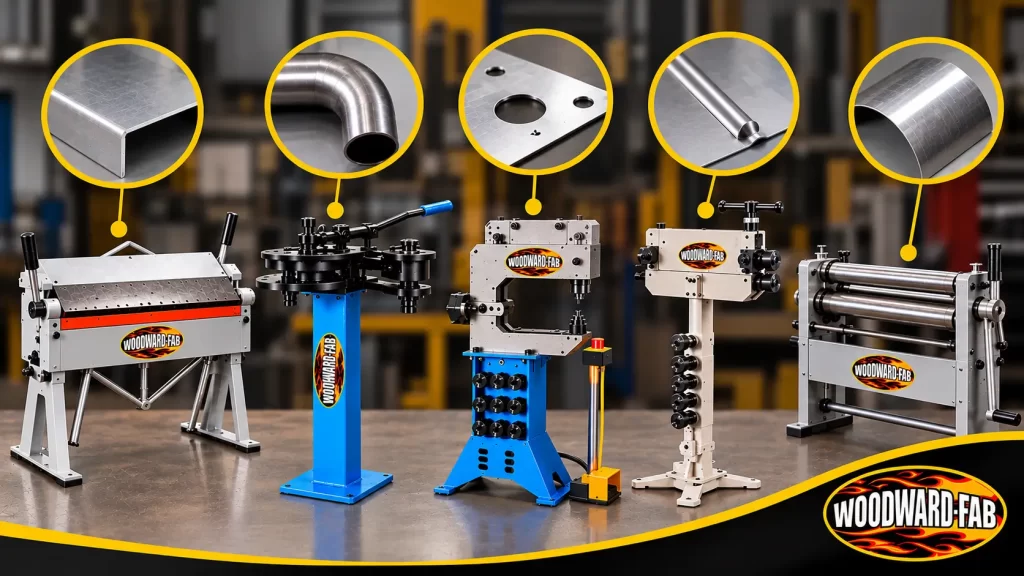
Sheet metal work, an artful craft that marries skill and precision, hinges significantly on the mastery of tools. In this blog, we embark on a detailed exploration of the symbiotic relationship between tool expertise and the quality of sheet metal results. With a specific focus on the contributions of Woodward Fab, a notable player in the tool industry, we aim to unravel the intricate nuances that make tool mastery an indispensable aspect of this profession. Understanding Sheet Metal Tools Sheet metal work is a dynamic process, and a nuanced understanding of the tools involved is essential. Cutting tools, including shears and plasma cutters, initiate the fabrication process by shaping raw… Read More

Continue Reading

Cold Rolled Steel Sheets vs. Hot Rolled Steel Sheets: Which is Right for Your Project?

Choosing between cold rolled steel sheets and hot rolled steel sheets is a crucial decision in any fabrication or construction project. Each type offers unique properties in terms of strength, finish, cost, and usability. Understanding these differences will help you select the right material for performance, durability, and budget efficiency. What are Cold Rolled Steel Sheets? Cold rolled steel sheets are produced by processing steel at room temperature, resulting in a smoother finish and tighter tolerances. 1. Surface Finish: Cold rolled steel sheets have a smoother and more consistent surface finish due to the rolling process at lower temperatures. This makes them well-suited for applications where appearance matters, such as… Read More

Continue Reading

How Metal Fabricators Can Optimize Plasma Cut Quality?

Plasma Cut Quality in Metal Fabrication Today, we’ll be discussing the importance of plasma cut quality in sheet metal fabrication. Plasma cutting is a popular technique used in metal fabrication to achieve precise cuts. However, the quality of the cut can vary depending on several factors. Poor quality cuts can compromise the integrity of the metal and lead to safety hazards. Therefore, it’s crucial to use high-quality Plasma Cutting Machines and techniques to achieve precise and clean cuts. In this blog, we’ll tips for achieving optimal results in your metal fabrication projects. Tips for Optimizing Plasma Cut Quality in Metal Fabrication 1. What Factors Should Be Considered When Choosing a… Read More

Continue Reading

Different Pipe and Tube Cutting Techniques and Equipment Discussed

Pipe cutting and tube cutting are two of the important techniques in plastic and sheet metal fabrication. Often for applications like manufacturing refrigerant tubing, connecting flow transmission pipelines, etc. However, the pipes and tubes are made of various materials and therefore different tube and pipe cutting equipment and tools may be required. There are various pipe and tube cutting techniques employed and various tools are used for these techniques. This post discusses different pipe and tube cutting techniques and lists a few pipe and tube cutting tools used in the industries. What are the Pipe and Tube Cutting Techniques? Here are a few pipe and tube cutting techniques used in… Read More

Continue Reading

Things to Consider While Cutting Metals with Metal Cutting Saws

Fabricators and workshop owners who make metal parts often use a saw to cut and shape their metal sheet. Sawing is a process that enables cutting the metal sheets or blocks into the desired shape and size. Manual metal cutting saws are centuries old; however, now they have evolved to be not only powered but also in terms of shape, material, and ease of use. Metal cutting saws are one such equipment that is made of superior quality steel and carbide blade technology. While most of us may have seen metal cutting saws to cut wood, cutting metals is certainly harder and demands more sharpness and precision. This post discusses… Read More

Continue Reading