Metalworking Tool Selection Guide

Metalworking Tool Selection Guide: Match the Tool to the Fabrication Task

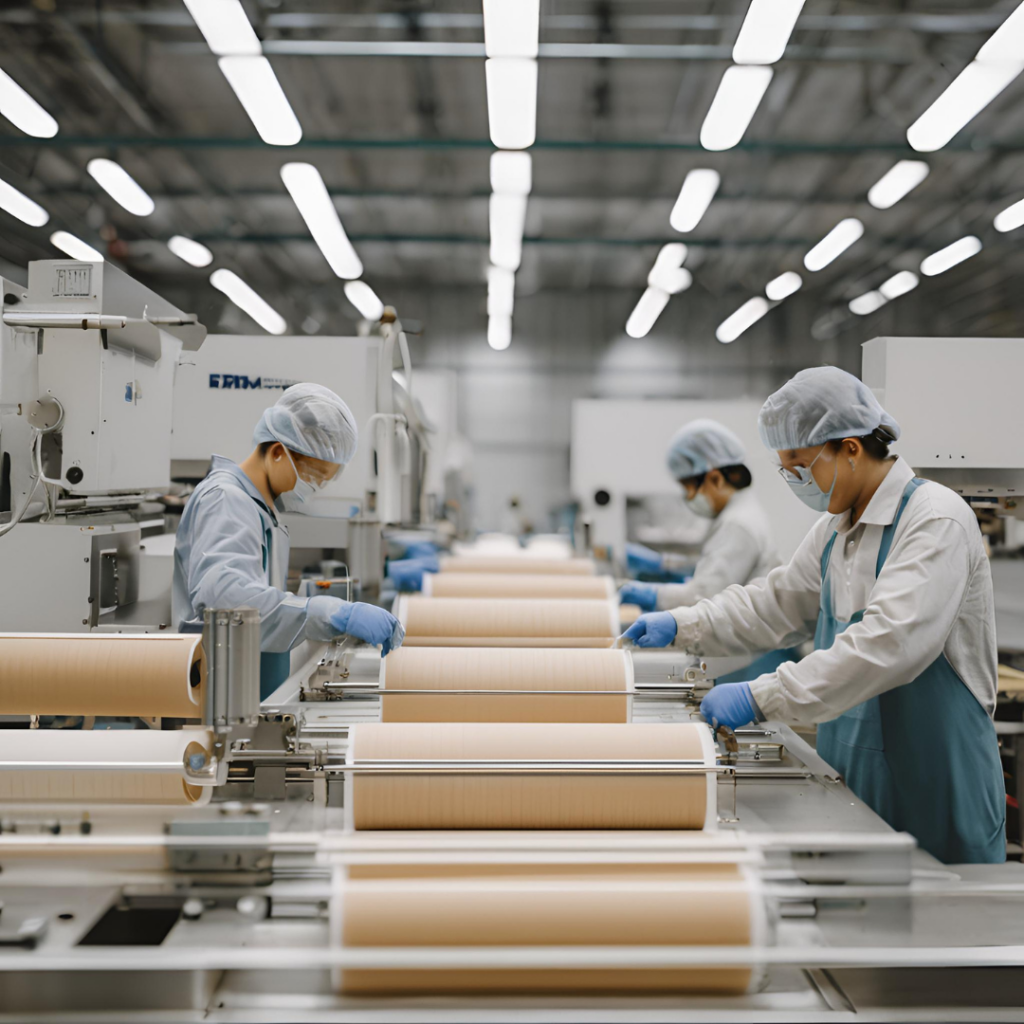
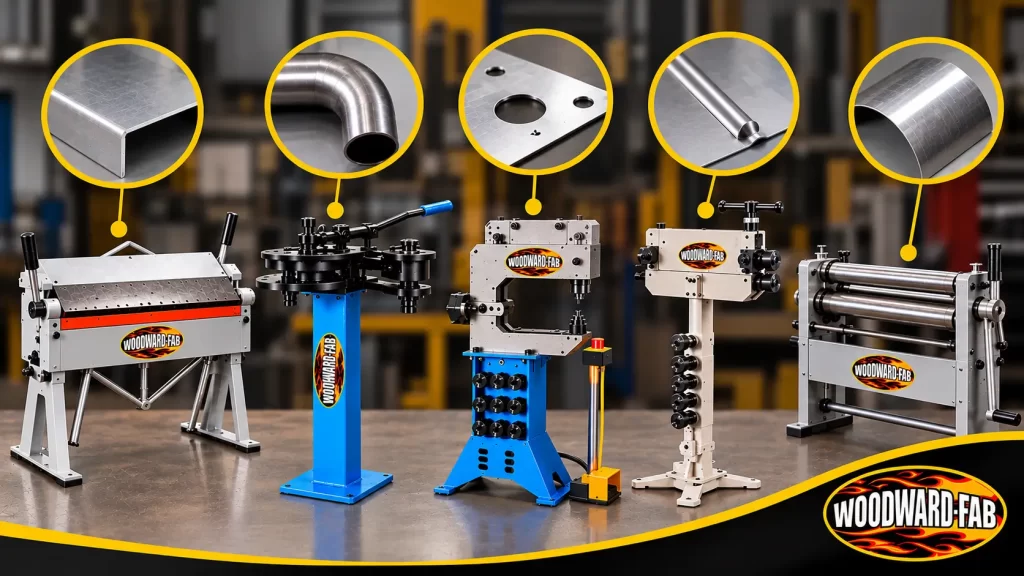
Choosing the right tool is an important part of successful metal fabrication. The correct equipment can make cutting, bending, forming, shaping, and finishing metal more accurate and efficient. Using the wrong tool, on the other hand, can lead to poor results, damaged material, excessive effort, or unsafe working conditions. With so many metalworking tools available, it can be difficult to determine which one is appropriate for a particular fabrication task. A tool designed for bending sheet metal may not be suitable for shaping thick plate, while a cutting tool intended for one material may not perform well on another. This guide explains how to approach metalworking tool selection based on… Read More

Continue Reading
Sheet Metal Gauge Chart

How to Read a Sheet Metal Gauge Chart: Gauge, Thickness & Material Explained

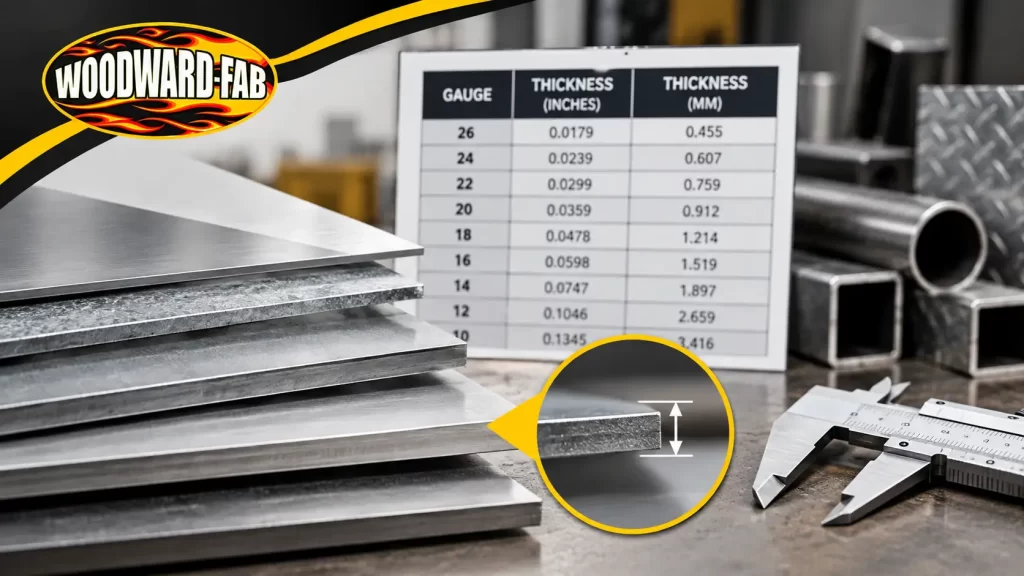
Understanding sheet metal thickness is essential when selecting material for fabrication, repair, bending, cutting, or forming. A sheet metal gauge chart provides a convenient way to understand the relationship between a metal’s gauge number and its actual thickness. However, gauge numbers can be confusing because a lower gauge number generally means thicker metal, while a higher gauge number means thinner metal. For example, 18-gauge steel is thicker than 20-gauge steel. The actual thickness represented by each gauge can also vary depending on the type of metal. Understanding these differences helps fabricators choose the appropriate material and avoid errors during fabrication. In this guide, we’ll explain how to read a sheet… Read More

Continue Reading
Sheet Metal Forming Methods

Sheet Metal Forming Methods: Deep Drawing, Flanging, Hemming & More

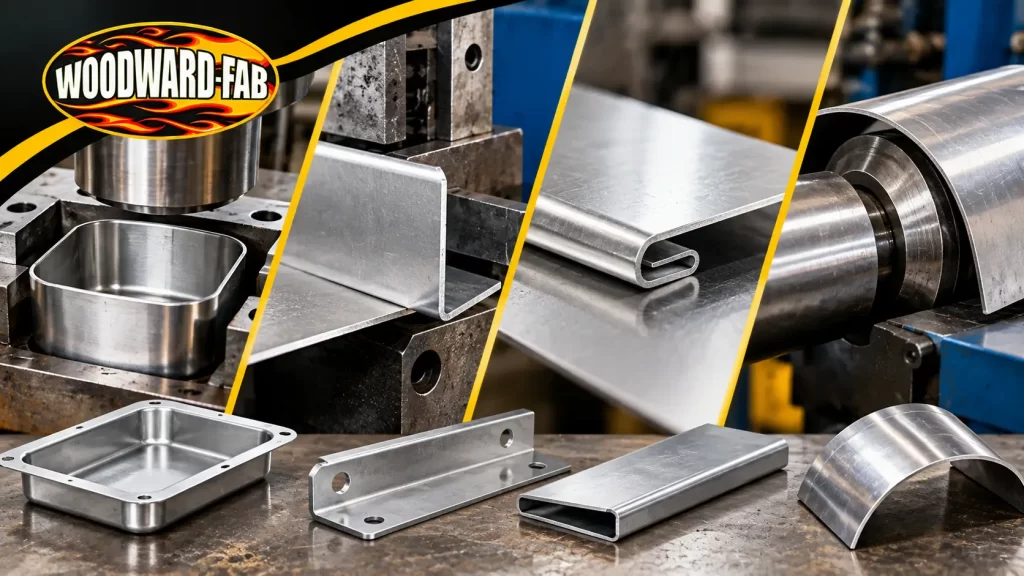
Sheet metal forming is a manufacturing process used to shape flat metal sheets into useful components without removing a significant amount of material. From automotive body panels and brackets to enclosures, ducts, and industrial components, different forming techniques allow manufacturers to create a wide range of shapes and profiles. Understanding sheet metal forming methods is important when selecting the right process for a project. The material type, thickness, desired shape, production volume, and required finish can all influence which technique is suitable. Some common methods include bending, deep drawing, flanging, hemming, stretching, and stamping. Each process works differently and is suited to specific applications. In this guide, we’ll explain the… Read More

Continue Reading
Sheet Metal Crack When Bending

Why Does Sheet Metal Crack When Bending? Causes and Solutions

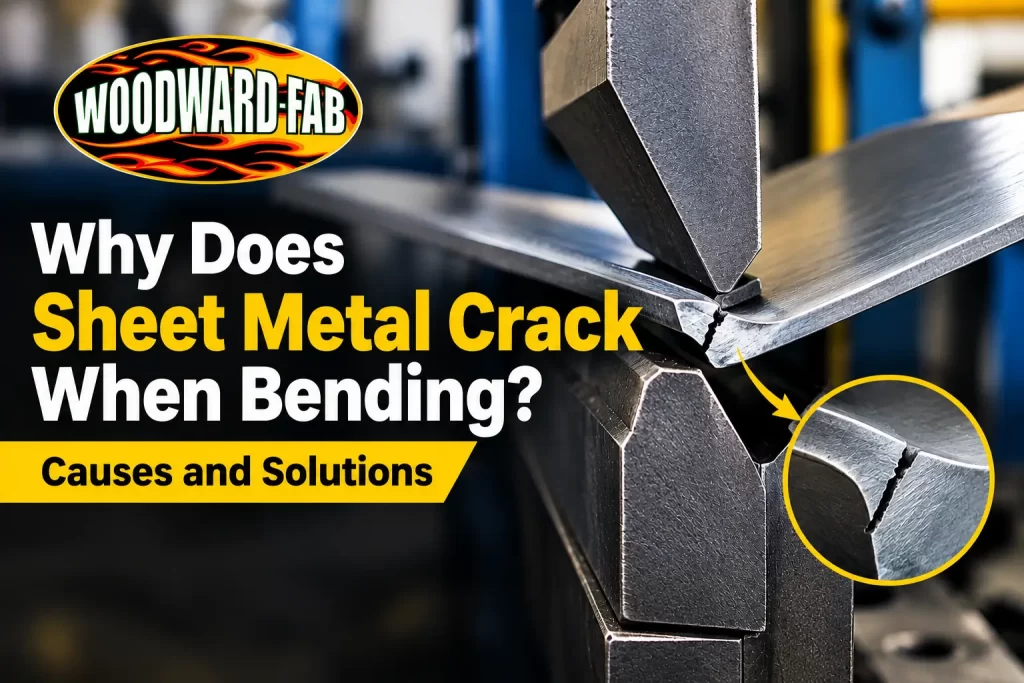
Sheet metal bending is a fundamental process in metal fabrication, used to create everything from automotive body panels and brackets to enclosures, ducts, structural components, and custom parts. However, one common problem can quickly turn a successful fabrication project into wasted material: sheet metal cracking during bending. If you have ever made a bend only to discover cracks forming along the bend line, you may wonder: Why does sheet metal crack when bending? The short answer is that cracking occurs when the metal is stretched beyond its ability to deform without breaking. Several factors can contribute to this problem, including an overly tight bend radius, material hardness, grain direction, work… Read More

Continue Reading
American-Fabricators-Trust-Industrial-Grade-Equipment

Why American Fabricators Trust Industrial-Grade Equipment

According to research published by Forbes, unplanned downtime costs industrial manufacturers an estimated $50 billion annually. [HB1] For American fabrication shops operating on tight margins, even a single hour of equipment failure can translate to thousands of dollars in lost revenue and damaged customer relationships. The choice between industrial-grade metal fabrication equipment and consumer alternatives is a strategic decision that impacts profitability, safety, and competitive advantage. Industrial-grade equipment represents a fundamental shift in design philosophy and construction quality. This post explores what defines industrial-grade machinery and why professional fabricators rely on it to stay productive, profitable, and competitive. What Defines “Industrial-Grade” Equipment? The term industrial grade metal fabrication equipment refers to… Read More

Continue Reading
DIY Metal Shelf Brackets in metal fabrication

Transforming Industries with Metalworking Tools: From High-Performance Parts to Artistic Creations

Metalworking tools are fundamental across various industries, enabling the creation of high-precision components and efficient manufacturing processes. At Woodward Fab, we offer a range of fabrication machines, including electric, manual, hand-operated, and foot-operated tools. In this blog, we’ll explore how different sectors utilize these tools to enhance operations, improve product quality, and boost overall efficiency. High-Performance Parts: Automotive manufacturers use a combination of electric and manual fabrication tools, hydraulic benders, hand-operated shears, and foot-operated notchers, to produce high-precision components. These include engine parts, suspension systems, and custom modification. Efficiency in Production: Electric and foot-operated machines streamline high-volume production, while manual and hand-operated tools offer precision for custom work and detailed… Read More

Continue Reading
diy metal work ideas at home

DIY Metal Sheet Bending Equipment for Metalworking

Ever dream of adding some Industrial style to your projects, but that fancy workshop with all the new shiny machines seems out of reach? Hold on to your hammers, because bending metal sheet at home is totally achievable without breaking the bank! With a dash of creativity and with just some everyday tools, dive into the world of metalworking possibilities. Essential DIY Bending Tools: DIY Metal Work Ideas: Now that you have some bending options, here are some DIY Metal Work projects to put your skills to the test: As you gain experience bending the sheet metal, you can gradually push your boundaries. Start with thinner materials that require less… Read More

Continue Reading
Right Supplier Partnership Can Revolutionize Your Manufacturing Process

How the Right Supplier Partnership Can Revolutionize Your Manufacturing Process

In today’s competitive world, getting products to market faster is crucial. But for manufacturers, long lead times can strangle profitability and innovation. That’s where the power of supplier partnerships comes in. By teaming up with the perfect partners, you can unlock a world of efficiency and transform your manufacturing process. Partnerships That Go Beyond Transactions Forget transactional relationships. The key to success lies in cultivating a collaborative environment. Here are 5 factors to consider when choosing your ideal partner: Expertise: Look for a partner with a proven track record in your industry. Their years of expertise make development smoothen and streamline the manufacturing and development process,. Communication: Clear and consistent… Read More

Continue Reading

Tool Mastery: How Expertise with Your Equipment Impacts Sheet Metal Results

Sheet metal work, an artful craft that marries skill and precision, hinges significantly on the mastery of tools. In this blog, we embark on a detailed exploration of the symbiotic relationship between tool expertise and the quality of sheet metal results. With a specific focus on the contributions of Woodward Fab, a notable player in the tool industry, we aim to unravel the intricate nuances that make tool mastery an indispensable aspect of this profession. Understanding Sheet Metal Tools Sheet metal work is a dynamic process, and a nuanced understanding of the tools involved is essential. Cutting tools, including shears and plasma cutters, initiate the fabrication process by shaping raw… Read More

Continue Reading

How the Electric Vehicle market is driving changes in sheet metal fabrication technology

Introduction The global automotive industry is in the midst of a revolutionary transformation, with electric vehicles (EVs) at the forefront of this shift. As consumers and governments increasingly prioritize sustainability and reduced carbon emissions, the demand for EVs is surging. This seismic shift is not only impacting the automobile sector but also reshaping the manufacturing processes that support it. Sheet metal fabrication technology, a critical component of vehicle production, is evolving rapidly to meet the specific needs of electric vehicle manufacturing. In this blog, we’ll explore how the electric vehicle market is driving significant changes in sheet metal fabrication technology. Light weighting: A Key Factor One of the primary drivers… Read More

Continue Reading

Sheet Metal Bend Relief Guidelines: Ensuring Successful Fabrication

Sheet metal fabrication is a fundamental process that shapes various industries, from aerospace to electronics. Within this process, bending plays a pivotal role in creating intricate components with unique shapes. However, bending can introduce formidable stresses that jeopardize the structural integrity of the material. This is where the strategic implementation of sheet metal bend relief comes into play. In this comprehensive guide, we’ll explore the intricate world of sheet metal bend relief guidelines, uncovering advanced techniques and real-world applications that contribute to successful fabrication endeavors. Decoding the Essence of Sheet Metal Bend Relief Sheet metal bend relief isn’t just a design technique; it’s a sophisticated strategy that mitigates the challenges… Read More

Continue Reading

Cold Rolled Steel Sheets vs. Hot Rolled Steel Sheets: Which is Right for Your Project?

Choosing between cold rolled steel sheets and hot rolled steel sheets is a crucial decision in any fabrication or construction project. Each type offers unique properties in terms of strength, finish, cost, and usability. Understanding these differences will help you select the right material for performance, durability, and budget efficiency. What are Cold Rolled Steel Sheets? Cold rolled steel sheets are produced by processing steel at room temperature, resulting in a smoother finish and tighter tolerances. 1. Surface Finish: Cold rolled steel sheets have a smoother and more consistent surface finish due to the rolling process at lower temperatures. This makes them well-suited for applications where appearance matters, such as… Read More

Continue Reading