
Choosing between cold rolled steel sheets and hot rolled steel sheets is a crucial decision in any fabrication or construction project. Each type offers unique properties in terms of strength, finish, cost, and usability.
Understanding these differences will help you select the right material for performance, durability, and budget efficiency.
What are Cold Rolled Steel Sheets?

Cold rolled steel sheets are produced by processing steel at room temperature, resulting in a smoother finish and tighter tolerances.
1. Surface Finish:
Cold rolled steel sheets have a smoother and more consistent surface finish due to the rolling process at lower temperatures. This makes them well-suited for applications where appearance matters, such as in architectural elements or consumer products.
2. Dimensional Accuracy:
The cold rolling process ensures tighter dimensional tolerances, making cold rolled steel sheets more precise in terms of thickness, width, and length. This accuracy is crucial for projects that require precise measurements.
3. Hot Rolled Steel Strength:
Cold rolled steel sheets generally exhibit higher strength and hardness compared to hot rolled sheets. This makes them suitable for applications requiring load-bearing capabilities or where durability is a priority.
4. Cost Considerations:
Cold rolled steel sheets are typically more expensive than hot rolled sheets due to the additional processing steps involved. However, their improved surface finish and dimensional accuracy can offset the higher cost for specific projects.
5. Weldability:
Cold rolled steel sheets are known for their excellent weldability, which makes them ideal for applications that require welding or other fabrication processes.
What are Hot Rolled Steel Sheets?
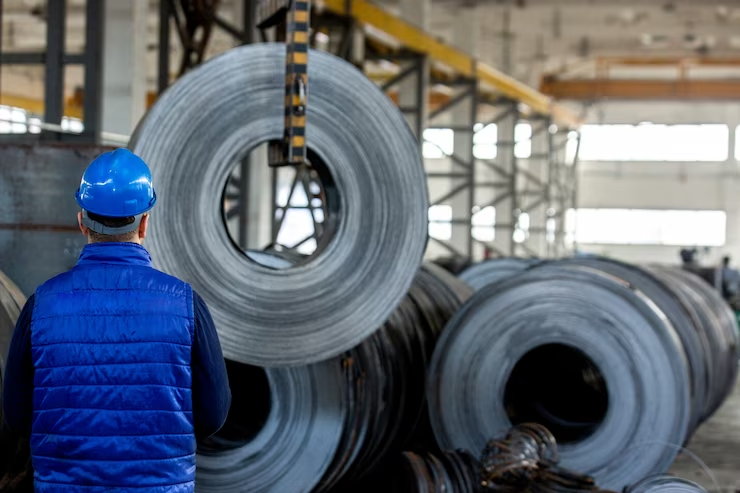
Hot rolled steel sheets are manufactured by rolling steel at high temperatures, making them easier to shape but less precise.
1. Surface Finish:
Hot rolled steel sheets have a characteristic rough and scaled surface due to the high temperatures involved in the rolling process. This surface finish might not be suitable for projects where aesthetics are important.
2. Dimensional Tolerances:
Hot rolled steel sheets have looser dimensional tolerances compared to cold rolled sheets. While this might not matter for certain applications, it can be a concern for projects requiring precise measurements.
3. Formability:
Hot rolled steel sheets are more ductile and have better formability than cold rolled sheets. This makes them a preferred choice for applications that involve shaping, bending, or deep drawing.
4. Cost Considerations:
Hot rolled steel sheets are generally more cost-effective than cold rolled sheets due to the simpler manufacturing process. They are often chosen for projects where surface finish and dimensional accuracy are not critical.
5. Weldability:
Hot rolled steel sheets can be susceptible to issues related to welding due to their scaly surface and potential variation in chemical composition. Additional precautions might be necessary during welding processes.
Cold Rolled vs Hot Rolled Steel: Key Differences
| Feature | Cold Rolled Steel | Hot Rolled Steel |
|---|---|---|
| Surface Finish | Smooth & polished | Rough & scaled |
| Dimensional Accuracy | High precision | Less precise |
| Strength | Higher hardness | Slightly lower hardness |
| Formability | Lower | Higher |
| Cost | More expensive | More affordable |
| Weldability | Excellent | Moderate |
Cold Rolled Steel Strength:
Cold rolled steel undergoes a different production process that involves rolling the steel at room temperature. While this process enhances the surface finish and dimensional accuracy, it may lead to slightly lower tensile strength compared to hot rolled steel. However, the reduction in strength is often marginal and might not significantly impact the steel’s suitability for various applications. Cold rolled steel’s strength is still sufficient for many uses, especially those that prioritize surface quality, tight tolerances, and aesthetics.
How to Choose the Right Steel for Your Project
The decision between cold rolled steel sheets and hot rolled steel sheets should be based on the specific requirements of your project. Consider the following factors when making your choice:
- Project Specifications: Determine the required surface finish, dimensional accuracy, strength, and formability needed for your project.
- Aesthetics: If appearance is crucial, cold rolled steel sheets might be the better choice due to their smoother surface finish.
- Budget: Evaluate your budget constraints, as cold rolled steel sheets are generally more expensive than hot rolled sheets.
- Fabrication Processes: Consider the fabrication methods your project will involve, such as welding, bending, or deep drawing, and choose the type that offers better compatibility.
- Durability: For load-bearing applications or those requiring higher strength and hardness, cold rolled steel sheets might be more appropriate.
FAQs
Which is stronger: cold rolled or hot rolled steel?
Cold rolled steel is generally stronger and harder, while hot rolled steel is more ductile.
Is hot rolled steel cheaper?
Yes, hot rolled steel is more affordable due to a simpler manufacturing process.
Can cold rolled steel be welded easily?
Yes, it has excellent weldability and is widely used in fabrication.
Conclusion:
In the debate of cold rolled steel sheets vs. hot rolled steel sheets, there is no definitive winner it all depends on the specific needs of your project. Cold rolled sheets offer superior surface finish, dimensional accuracy, and strength, while hot rolled sheets are more cost-effective and have better formability. By carefully assessing your project’s requirements and considering factors such as aesthetics, budget, and fabrication processes, you can make an informed decision that aligns with your goals. Remember that a collaboration with steel experts can also provide valuable insights and recommendations tailored to your project’s unique demands.

Related Post: