
A bench vise is an apparatus designed for firmly gripping the object during manufacturing. It features two parallel jaws, one fixed and another movable to lock the object between two ends. It can have different mechanisms of locking like screw-tightening, lever lock, etc. Despite its simple mechanical construction, the device is found useful in several industrial operations. Especially, the woodworking/carpentry and metalworking industries utilize bench vises, vise clamps, and specialized woodworking bench vises in several operations. Woodward-Fab is a company that offers different types of vises, including durable woodworking vices, carpenter vises, and industrial-grade bench vices. Owing to versatile vise designs, their vises are being utilized in several industrial operations. This post discusses the industrial uses of Woodward Fab vises and how choosing the right vice for woodworking or metalworking can improve efficiency and safety.
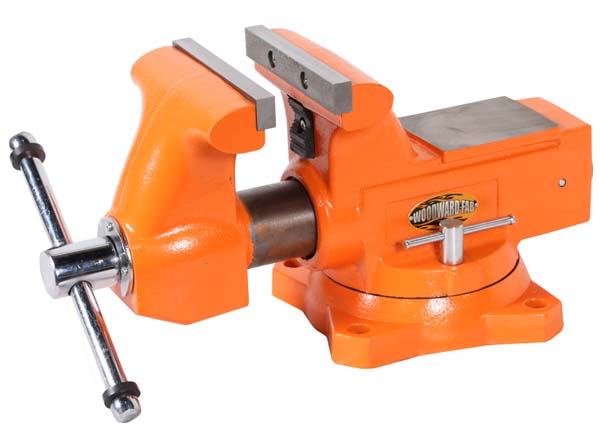
Woodward Fab Vise
A Discussion on Few Popular Applications of Woodward Fab Vises
Woodward Fab vises are today considered a must-have by several wood and metalworking facilities. Whether you need a wood vise, woodworker vise, or heavy-duty bench vise clamp, the following are a few applications of Woodward Fab vises.
- Saw Cutting: Saw cutting is one of the most common tasks in a carpentry shop. It requires the wooden block to be firmly gripped for sawing. If the wooden block is not firmly clamped, the worker might cut himself. This is where the woodworking bench vise or carpenters vice comes into play. The bench vises can be mounted on a bench or working table, and then the wooden block can be firmly locked between the claws. Any size of wooden block can be clamped on a Woodward-Fab woodworking vice. Also, the tabletop can be raised to a level where the operator can work comfortably.
- Sanding: In woodworking, sanding is an important finishing operation. It also requires a firm grip for the wooden block. Otherwise, uneven surfaces or slippery sanding may occur. The wood vice or vice clamp helps in gripping objects securely for sanding and polishing.
- Filling: Many metal products require filing as a surface operation. It is used for burr removal, de-sharpening edges, and manual filleting. To perform effective filing, the metal part requires mounting at specific angles and elevations. The bench vise or inclined vise clamp can secure the metal piece as required.
- Drilling: Manual drilling requires holding the metal or wooden block firmly. Otherwise, the drill may suffer from surface roughness, partial cuts, or thread damage. Therefore, bench vise uses often include gripping objects securely for manual drilling tasks.
- Release Tightened Vise-Grips: Often, over-tightening of vises occurs in industries. Over-tightening only makes it harder to release and may damage the product. The Woodward Fab bench vise can help release locked claws effectively. This demonstrates another practical application of industrial vises.
- Tool Clamping: Grinding tools or planer pointers are often mounted on bench vices or vice clamps. This offers firm tool clamping so that tool deflection does not affect machining quality.
- Wood Gluing: Two wooden blocks or objects are glued together and then pressed between the clamps of a woodworking bench vise to settle the glue effectively. This is one of the essential uses for a wood worker vise in carpentry shops.
- Ejecting Bearings: During engine work, the bench vise helps in ejecting bearings from shafts. Bearings are clamped, and the shaft is slide-stroked using a hammer.
These are some of the important bench vise uses, you can implement in your industrial process. Woodward Fab offers different types of vises such as bench vise, Heck-Heuer bench vise, etc, and its accessories like adjustable height floor stand, Heuer rotating base, etc. The experts at the company will guide you through the right selection by helping you understand the use of each of these products.

Related Post:
- Metalworking Tool Selection Guide: Match the Tool to the Fabrication Task
- How to Read a Sheet Metal Gauge Chart: Gauge, Thickness & Material Explained
- Sheet Metal Forming Methods: Deep Drawing, Flanging, Hemming & More
- Why Does Sheet Metal Crack When Bending? Causes and Solutions
- Sheet Metal Holders: Types, Benefits, Applications, and Buying Guide