
Small fabrication shops operate in a unique space within the manufacturing ecosystem. They often take on custom jobs, short production runs, repair work, and prototype builds, all while managing tight budgets and limited floor space. According to industry surveys from manufacturing associations in the U.S., small fabrication and job shops make up a significant share of local manufacturing businesses.
However, they often face production expectations similar to larger facilities without having access to the same level of capital investment or infrastructure.. This makes the selection of affordable metal fabrication tools not just a purchasing decision, but a strategic investment that directly impacts long-term growth, productivity, and overall shop capability. The right tools allow small businesses to compete on quality and turnaround time while maintaining profitability. This blog breaks down the best small shop fabrication equipment, what to look for before buying, and how to avoid costly mistakes when investing in budget metalworking tools.
Why Small Shops Need Affordable yet Reliable Fabrication Tools
Here’s why small fabrication shops heavily rely on affordable metal fabrication tools that balance cost with dependable performance.
- Return on Investment (ROI) & Budget Efficiency: Small shops operate with limited capital, so every equipment purchase must deliver value quickly. Affordable tools help reduce upfront investment while still supporting daily fabrication tasks. Choosing the right small shop fabrication equipment allows businesses to stay within budget while taking on profitable work and gradually expanding capabilities.
- Reliability & Reduced Downtime: In small fabrication shops, downtime directly affects delivery timelines and customer trust. When equipment fails, production slows and job schedules are impacted. Reliable budget metalworking tools help maintain steady workflow, reducing unexpected breakdowns and ensuring consistent output.
- Precision and Consistent Output: Small fabrication businesses often compete on quality and customization. Whether cutting, bending, or forming metal, accuracy is essential. Affordable yet well-engineered tools help ensure repeatable precision, allowing shops to meet customer expectations without investing in high-cost industrial systems.
- Safety and Basic Compliance Standards: Safety is critical in every fabrication environment. Several affordable metal fabrication tools are available that are designed with stable structures, secure handling features, and safer operation mechanisms, helping reduce risks and maintain safe working conditions for operators.
- Serviceability and Practical Maintenance: Small shops need equipment that is easy to maintain and repair without long delays. Investing in budget metalworking tools with accessible components and straightforward servicing requirements helps reduce downtime and keeps operations running smoothly without heavy dependency on external service providers.
Metal Fabrication Tools for Small Businesses
Here are the most practical and affordable metal fabrication tools that small shops rely on to handle everyday production work efficiently.
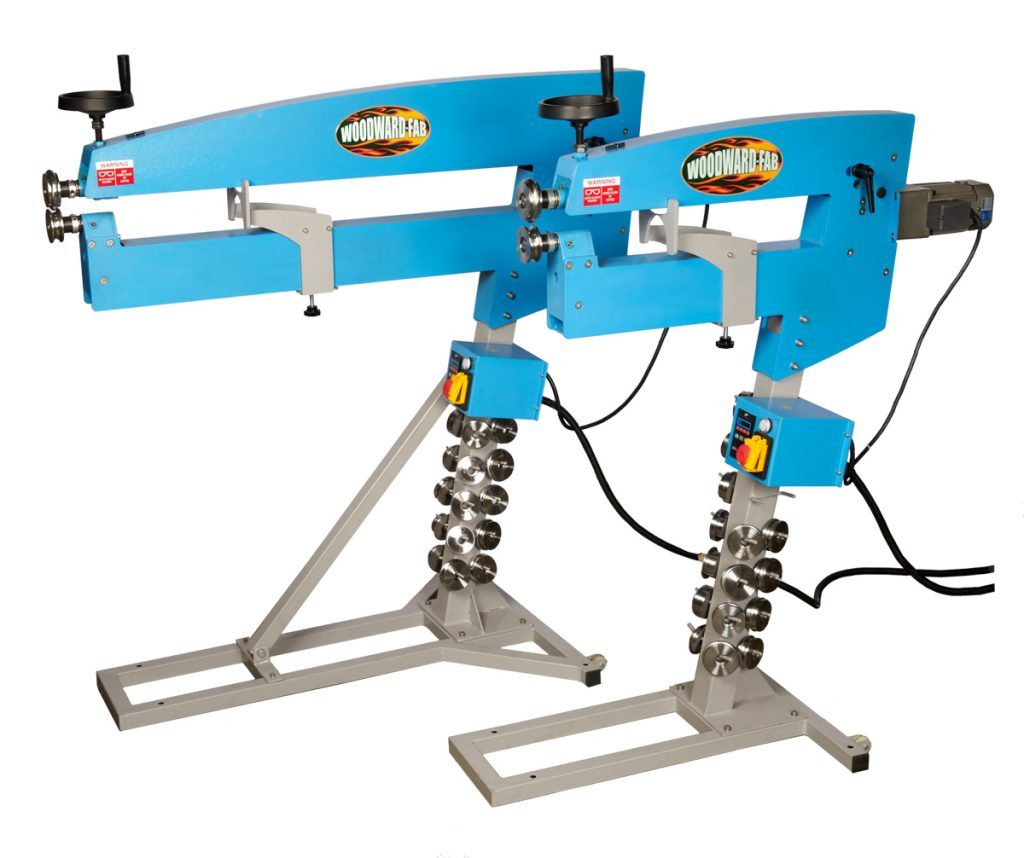
- Bead Rollers: Bead rollers are used to create reinforcing ribs, grooves, and patterns in sheet metal, which improves strength and prevents warping. Affordable models, such as Manual Bead Roller Tubing Beader Machine offer sufficient capacity for automotive panels, HVAC components, and custom fabrication work without the cost of industrial systems.
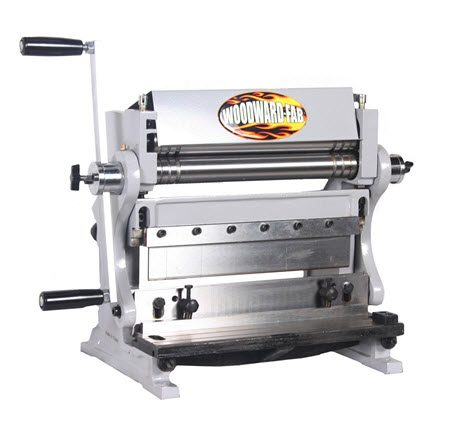
- Sheet Metal Brakes: Sheet metal brakes are foundational small shop fabrication equipment used for bending and forming metal into precise angles and shapes. They provide precise manual or assisted control over bending operations, allowing fabricators to produce consistent parts such as brackets, enclosures, trays, panels, and custom housings. These tools are valued for their ability to deliver repeatable, clean bends across a variety of material thicknesses, making them suitable for light to medium-duty fabrication tasks. Many designs support adjustable bending lengths and interchangeable clamping configurations, enabling users to create both simple straight bends and more complex boxed or multi-sided forms.
- Tubing Benders: Tubing benders are critical affordable metal fabrication tools for shops working with pipes, frames, and structural tubing. Whether fabricating roll cages, handrails, or exhaust systems, precision bending is essential to avoid material deformation and rework. Many tubing benders are designed with adjustable bending angles, interchangeable dies, and leverage-assisted mechanisms that improve control and reduce operator effort during forming operations.
- English Wheels: English wheels are specialized yet highly valuable budget metalworking tools used for smoothing, shaping, and contouring sheet metal surfaces. They are widely employed in applications such as automotive restoration, custom body panel fabrication, motorcycle tank shaping, aircraft skin work, and decorative metal forming where smooth compound curves and refined surface control are essential. Modern compact and benchtop designs have made English wheels more accessible to small fabrication businesses by reducing space requirements and overall equipment costs while still providing professional-level shaping performance.
Key Features to Look for Small Shop Fabrication Equipment
Selecting the right affordable metal fabrication tools requires more than comparing price tags. Small shops need equipment that delivers consistent performance, long-term reliability, and practical usability in real working conditions. Here are the key factors to evaluate before investing in small shop fabrication equipment.
- Build Quality and Structural Strength: The durability of any tool starts with its construction. Look for machines built with heavy-duty steel frames, reinforced components, and stable bases. Solid construction ensures that the equipment can handle repeated use without losing alignment or accuracy over time.
- Precision and Repeatability: Fabrication work depends on accuracy. Whether bending, rolling, or forming, tools must deliver consistent results across multiple operations. Even if you are investing in high-quality affordable metal fabrication tools, they should maintain alignment, apply even pressure, and allow fine control to ensure repeatable output without constant recalibration.
- Ease of Operation and Adjustability: Small shops often handle a wide variety of custom jobs. Equipment should be simple to set up, adjust, and operate without requiring complex processes. User-friendly controls and flexible configurations improve efficiency and reduce operator fatigue, especially in low-volume, high-mix environments.
- Maintenance and Serviceability: Equipment that is difficult to maintain can quickly increase long-term costs. Choose small shop fabrication equipment with accessible components, simple maintenance requirements, and readily available replacement parts. Easy serviceability ensures minimal downtime and smoother day-to-day operations.
- Space Efficiency and Footprint: Floor space is a major constraint in small workshops. Compact, well-designed machines that deliver strong performance without occupying excessive space provide better overall value. Many budget metalworking tools are specifically designed to maximize capability while minimizing footprint.
- Versatility and Application Range: The best tools for small shops are those that can handle multiple tasks. Versatile equipment increases productivity and reduces the need for additional machines. Investing in multi-purpose affordable metal fabrication tools allows shops to take on a broader range of projects without significantly increasing costs.
- Manufacturer Support and Parts Availability: Reliable support is critical for long-term use. Before purchasing, evaluate the manufacturer’s reputation for customer service, technical assistance, and parts availability. Strong support ensures your small shop fabrication equipment remains operational and productive over time.
Mistakes to Avoid
Here are the most common mistakes small shops make when investing in affordable metal fabrication tools, and why avoiding them is critical for long-term efficiency and profitability.
- Focusing Only on Low Price: One of the biggest mistakes is choosing the cheapest option available without evaluating quality. Extremely low-cost tools often lack durability, precision, and reliability. While they may seem like good budget metalworking tools initially, they frequently lead to higher maintenance costs, inconsistent results, and early replacement.
- Ignoring Actual Production Needs: Many small shops either overestimate or underestimate their requirements. Buying oversized equipment can waste valuable capital and space, while underpowered tools limit production capability. The right equipment should match your daily workload, material types, and job complexity.
- Overlooking Build Quality: Tools with weak frames, poor welds, low-grade components, or insufficient reinforcement may struggle to maintain alignment and accuracy under repeated use. Over time, this can lead to inconsistent fabrication results, increased maintenance, premature wear, and reduced operational reliability. Ensure to invest on durable yet affordable metal fabrication tools that are designed to withstand continuous shop use while maintaining structural stability and performance consistency.
- Neglecting Maintenance and Parts Availability: Equipment is only as reliable as its service support. Many buyers fail to check whether replacement parts are available or how easy the tool is to maintain. Limited support can result in extended downtime, which small shops cannot afford.
Whether you are upgrading your workshop or building a fabrication setup from the ground up, investing in reliable small shop fabrication equipment is essential for maintaining productivity, precision, and long-term operational efficiency.
For shops seeking dependable and cost-effective fabrication solutions, Woodward Fab offers a wide range of equipment designed to support everyday metalworking and production needs.
Contact Woodward Fab today to explore equipment options tailored for small fabrication shops and take the next step toward building a more capable and efficient workshop.

Related Post:
- Metalworking Tool Selection Guide: Match the Tool to the Fabrication Task
- How to Read a Sheet Metal Gauge Chart: Gauge, Thickness & Material Explained
- Sheet Metal Forming Methods: Deep Drawing, Flanging, Hemming & More
- How to Choose the Right Sheet Metal Gauge for Automotive Projects
- Aviation Snips vs Sheet Metal Shears: Which Cutting Tool Should You Use?